

Stop paying for reactive power you don't need
VARAI active compensators help reduce reactive-power charges on your electricity bill and keep your low-voltage switchboard within the contracted power-factor limit. VARAI Cloud shows the effect 24/7.
- <20 ms
- reaction time
- 24/7
- VARAI Cloud
- 3–20 kVAr
- power range
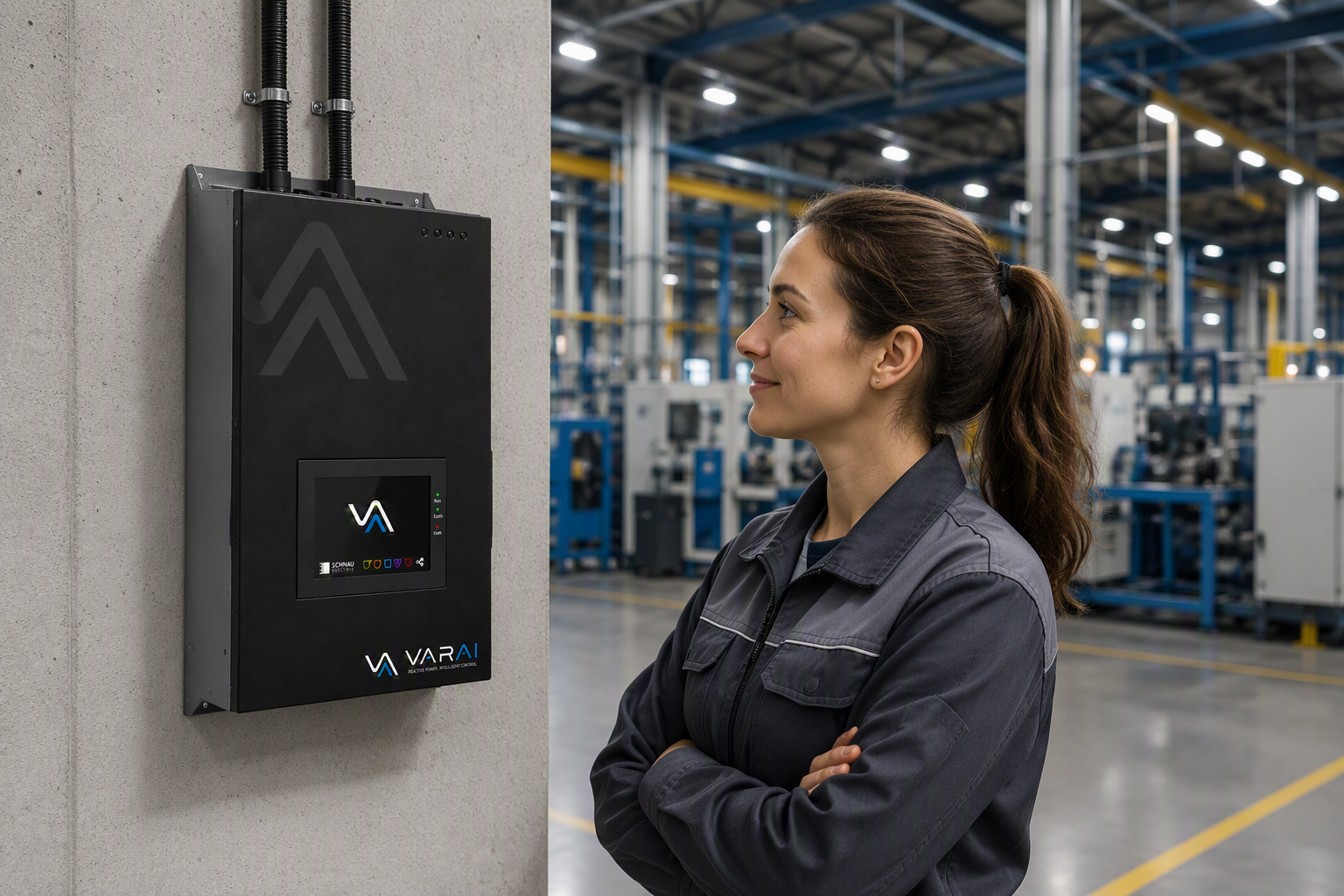
Reactive energy can add a recurring charge to every bill.
Without continuous monitoring, the cost is usually noticed only after the billing period. VARAI makes the cause and the result visible.
Compressors
Dynamic loads affect power factor and reactive-energy flow.
Motors
Dynamic loads affect power factor and reactive-energy flow.
Pumps
Dynamic loads affect power factor and reactive-energy flow.
Does this apply to your facility?
If these loads operate in your facility, reactive energy may already be affecting your electricity bill.
- Compressors
- Motors
- Pumps
- Refrigeration
- Air conditioning
- Ventilation
- Production lines
- Inverters / VFD
Classic capacitor bank vs. VARAI + VARAI Cloud
A traditional capacitor bank is a passive, step-based solution. VARAI is an active compensator with online monitoring.
Classic capacitor bank
- Reacts slowly to fast-changing loads
- Risk of resonance and overcompensation
- No visibility into real savings
- Steps degrade with switching cycles
VARAI + VARAI Cloud
- Reaction time below 20 ms to dynamic loads
- Continuous control of power factor / tanφ
- 24/7 monitoring, alerts and monthly reports
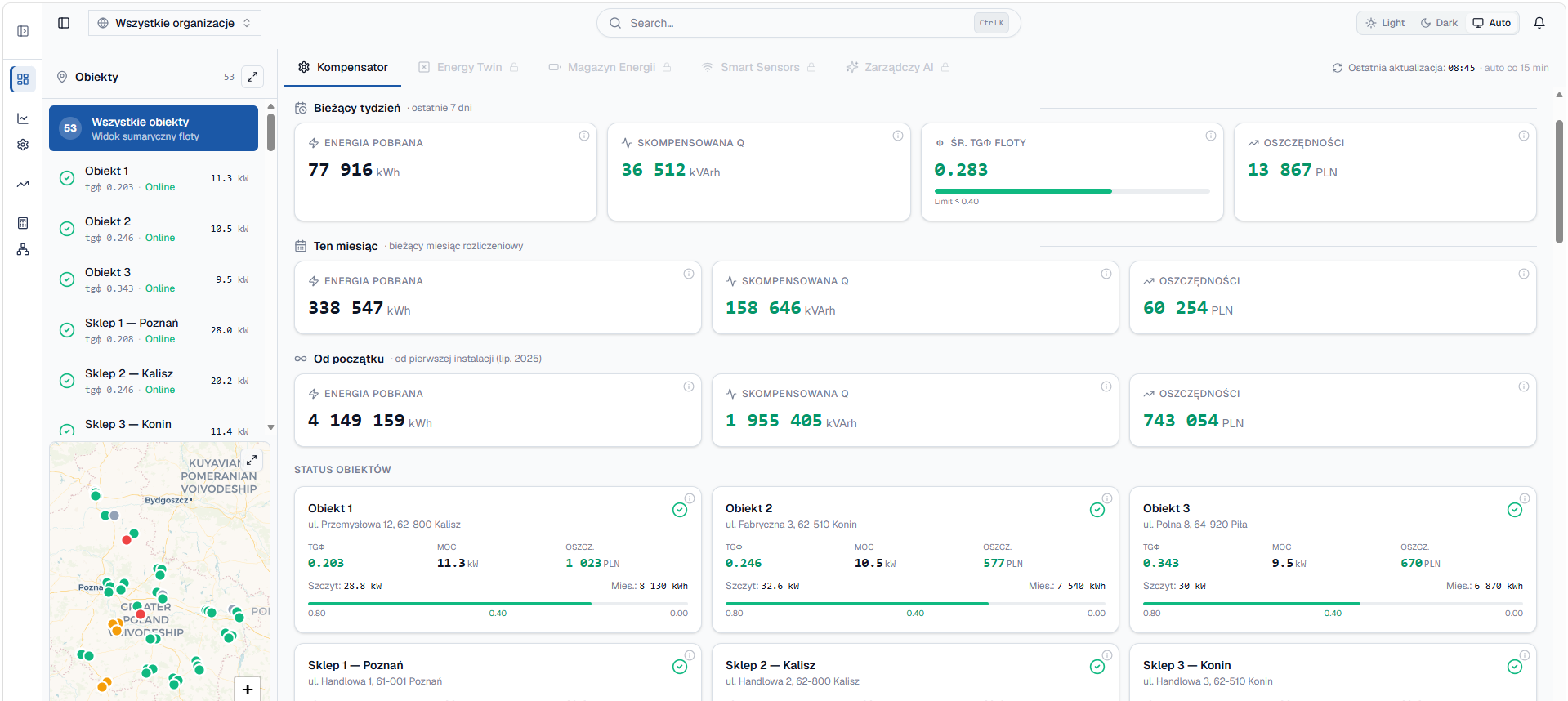
- Savings and ROI visible in the dashboard
How we deploy VARAI
- 01
Audit
We analyse your electricity bill and, if needed, register network parameters on site.
- 02
Sizing
We select the compensator power and configuration for your load profile.
- 03
Installation
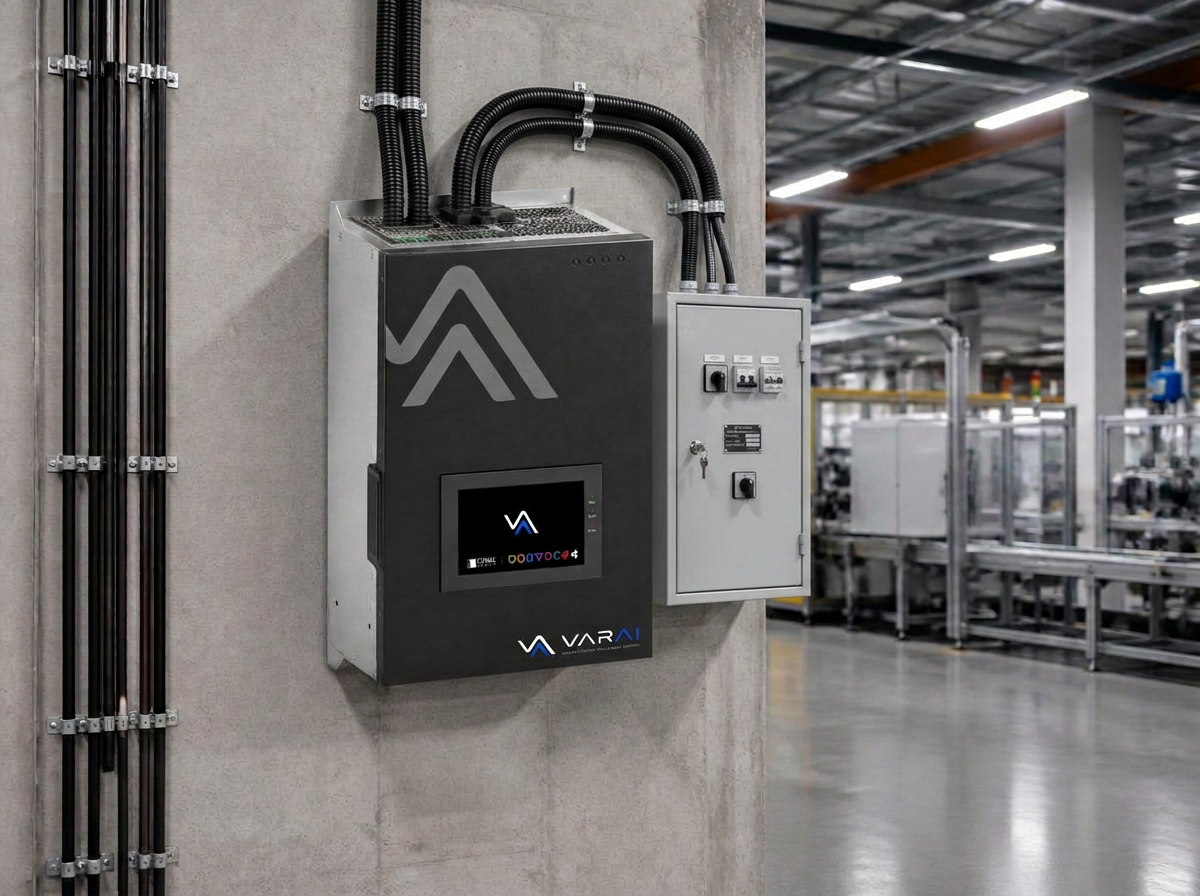
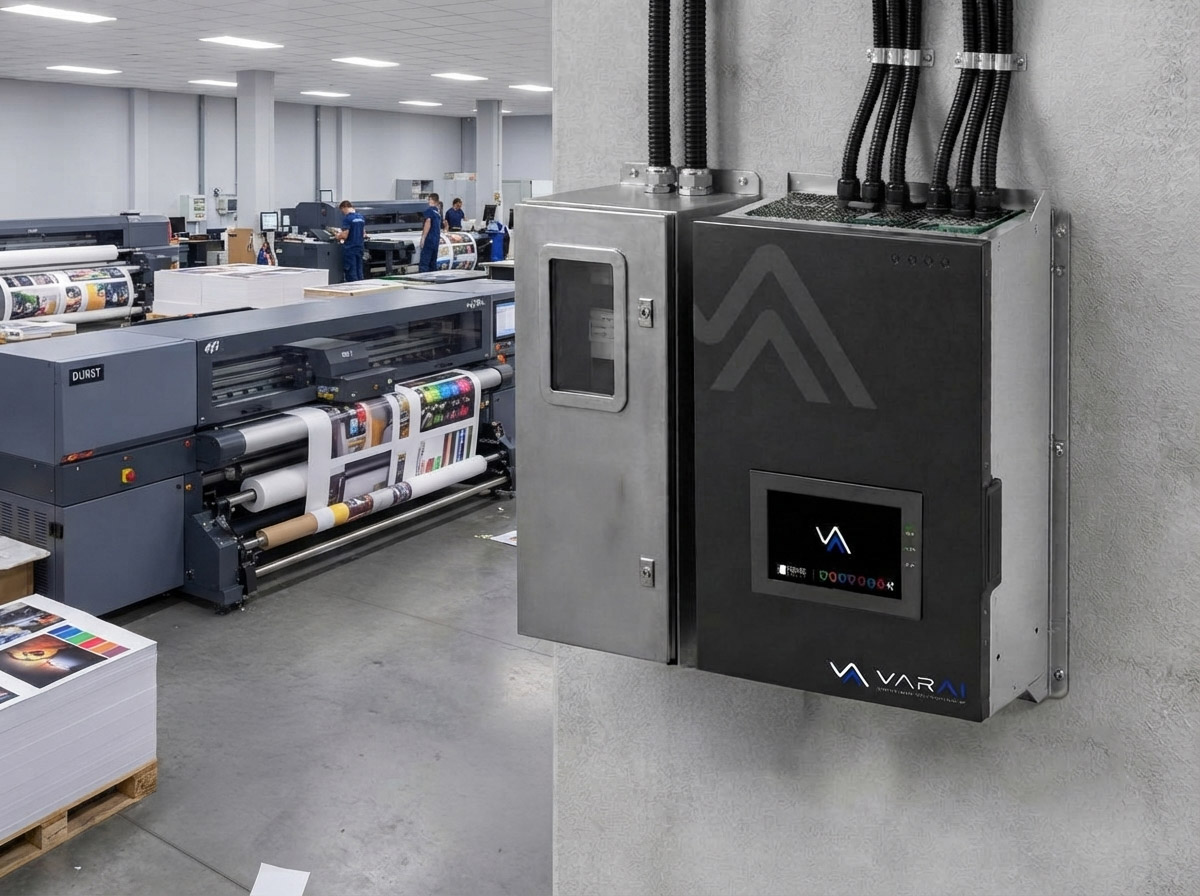
An authorised team mounts the device next to the low-voltage switchboard, usually within a day.
- 04
Monitoring
VARAI Cloud starts reporting savings, power quality and alerts.
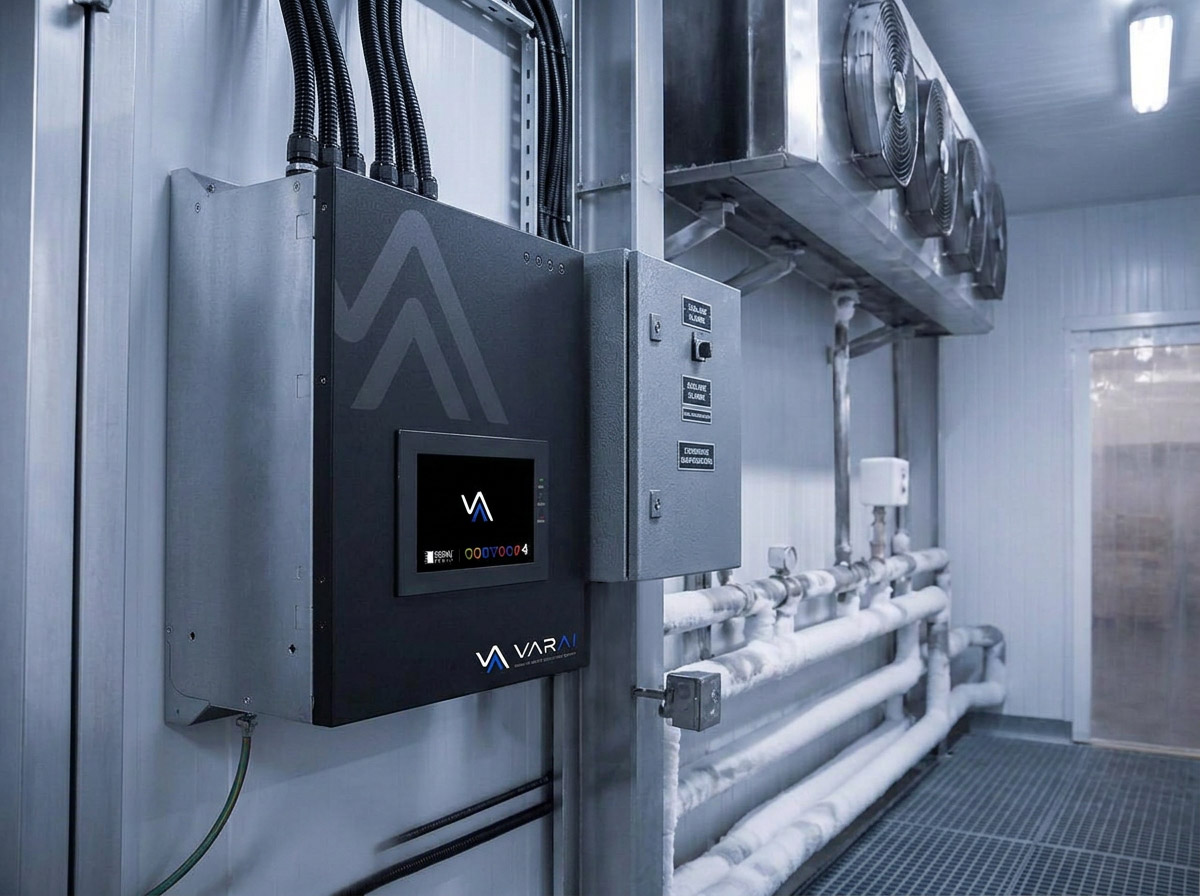
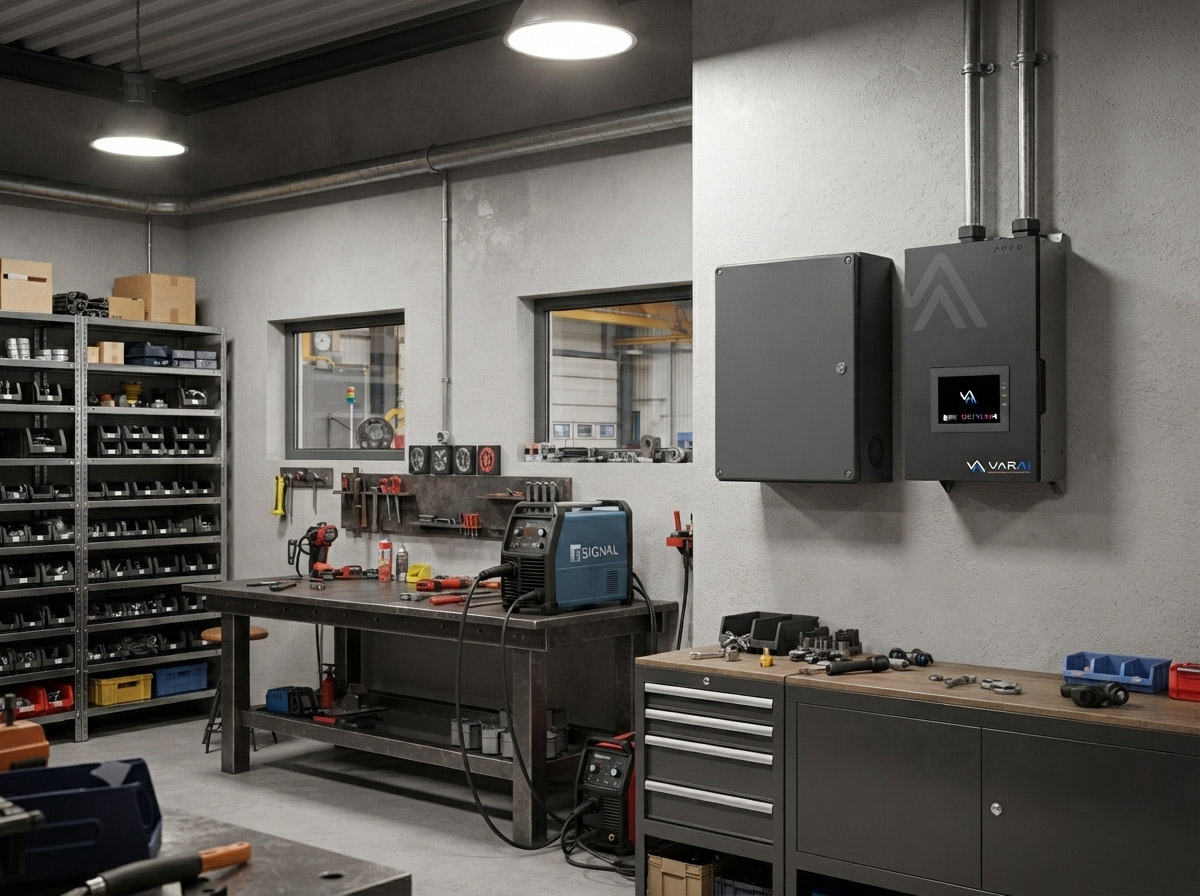
One device. Different industrial environments.
Installed next to the low-voltage switchboard and matched to the actual load profile.
VARAI Cloud
Live parameters, alerts, reports and savings in one online workspace.
Device + Cloud + engineering services
A complete path from bill analysis and sizing to installation and continuous monitoring.
Active compensator
A complete path from bill analysis and sizing to installation and continuous monitoring.
VARAI Cloud
A complete path from bill analysis and sizing to installation and continuous monitoring.
Engineering & installation
A complete path from bill analysis and sizing to installation and continuous monitoring.
Industries with the greatest recovery potential.
Where motors, compressors and cooling systems operate, reactive energy can create a hidden monthly cost.
Manufacturing
Motors, compressors, welders and production lines generate significant inductive reactive power.
Warehouses
Warehouse automation, forklift chargers and LED lighting with switch-mode power supplies.
Cold storage
Refrigeration units and compressors running 24/7 are among the largest generators of reactive power.
Logistics
Cross-dock terminals, loading bays and EV fleets put a dynamic reactive load on the grid.
Agriculture
Livestock buildings, grain silos and dryers — motors and fans generate inductive reactive power.
Hotels
VRF air conditioning, lifts, kitchens and pools — a mix of low-power-factor loads running around the clock.
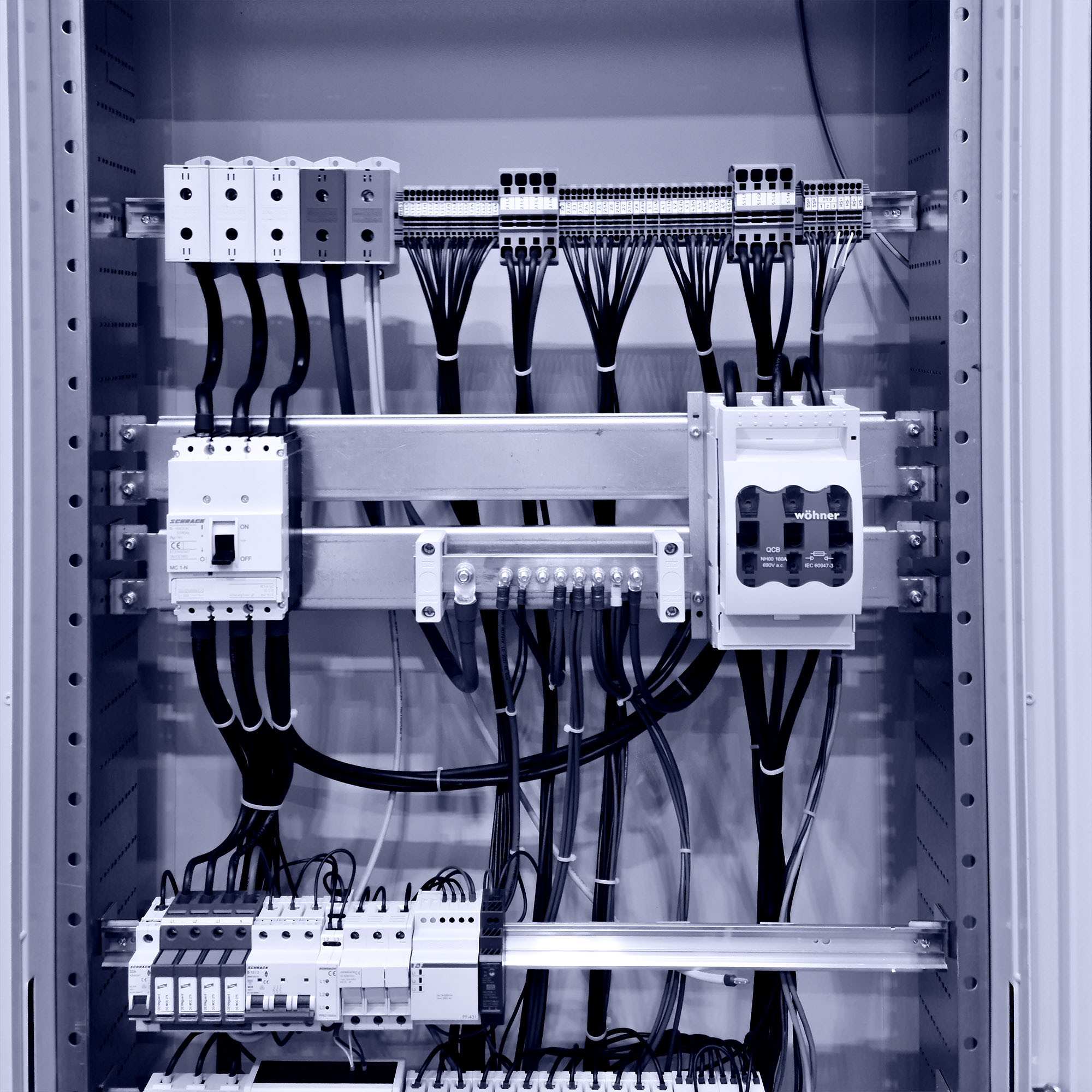
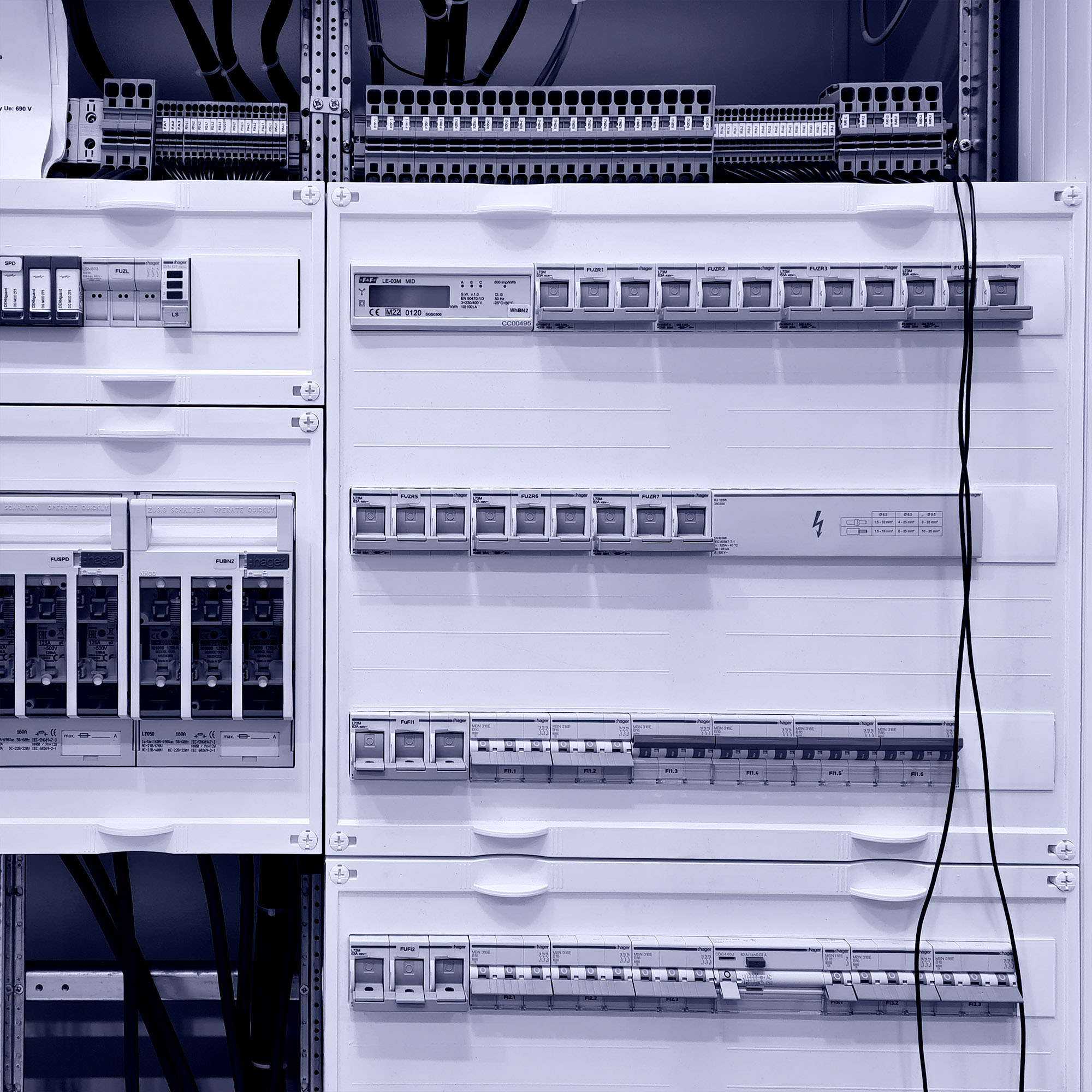
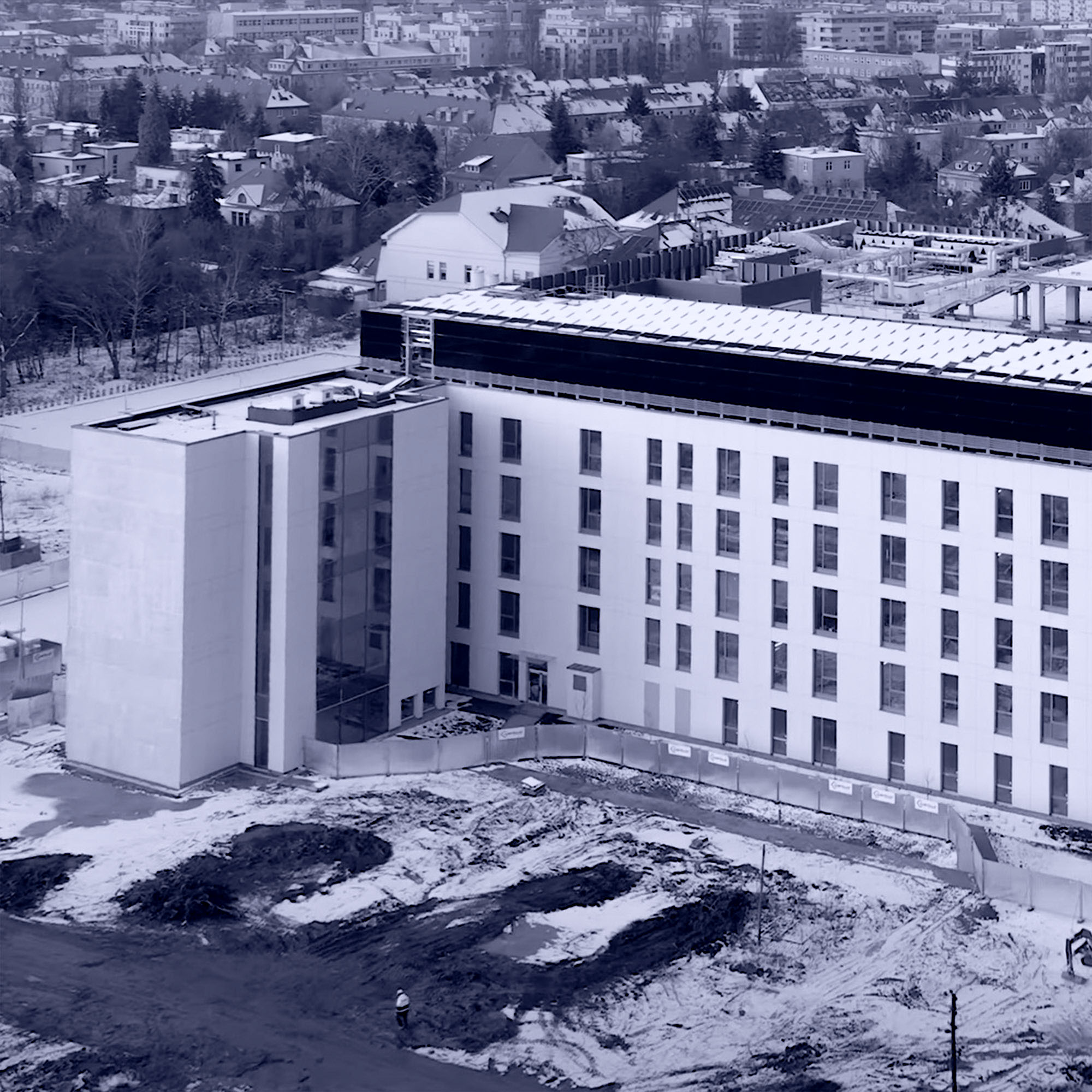
Selected energy-infrastructure projects
Experience from industrial, logistics and public facilities supports every VARAI deployment.
Estimate your reactive-power savings
Answer three questions about your facility and we will estimate the reactive-power savings potential and the recommended VARAI compensator. Results depend on the load profile of your facility.
Answer the three questions to see estimated savings and a recommended compensator.
Actual savings depend on the installation profile and require an individual analysis.
Let's talk about your facility
ul. 28 Czerwca 1956 r. nr 406
61-441 Poznań, Poland
Understand reactive power

Reactive energy charges in 2026 - a guide for businesses
Find out why a business pays for reactive energy, where to find the charge on the invoice, and how to cut costs through proper compensation.
7 min read
Inductive vs. capacitive reactive energy - the differences
A plain-language explanation of how inductive reactive energy differs from capacitive reactive energy, and how to choose the right compensator.
6 min read
Reactive energy on the invoice - how to find the charge
Learn where the reactive energy charge appears on an electricity invoice and what to do if the cost keeps showing up.
6 min read
Harmonics and reactive power compensation
Find out how harmonics affect a capacitor bank and why it's worth assessing power quality before installing a compensation device.
7 min read
24/7 reactive energy compensation monitoring
See how automatic compensator monitoring detects anomalies, collects data, and helps protect a company from high electricity bills.
6 min read
Reactive energy charges - legal basis and regulations
We explain which regulations underpin reactive energy charges in Poland, who applies them, and why the cost depends on the operator's tariff.
8 min readReactive power - what it is and how to compensate it
A complete guide to reactive power: a plain-language definition, why it shows up on the bill, and how to effectively compensate it with an active compensator.
9 min readFrequently asked questions
What is the reactive-energy charge on my electricity bill?
It is a charge billed by the grid operator once the contracted power-factor (tanφ) threshold — often 0.4 — is exceeded for inductive reactive energy. Capacitive reactive energy is billed under different rules, so each invoice should be reviewed individually.
What is reactive power and why am I paying for it?
Reactive power does no useful work, but circulates between the grid and loads such as motors, compressors, transformers and LED drivers. The grid operator charges for it once the contracted tanφ threshold is exceeded.
How quickly does a VARAI compensator pay back?
In typical manufacturing plants and cold stores, payback is usually reached within 12–24 months. Results depend on the load profile of the facility.
How is VARAI different from a classic capacitor bank?
VARAI is an active system — it reacts within milliseconds, compensates dynamic loads and integrates with an online monitoring platform.
Does VARAI work together with a solar PV installation?
Yes. Reactive-power compensation is independent from the direction of active power flow and works well alongside PV.
What does installation and commissioning look like?
Installation is carried out by an authorised team, usually within a single day, without extended production downtime.